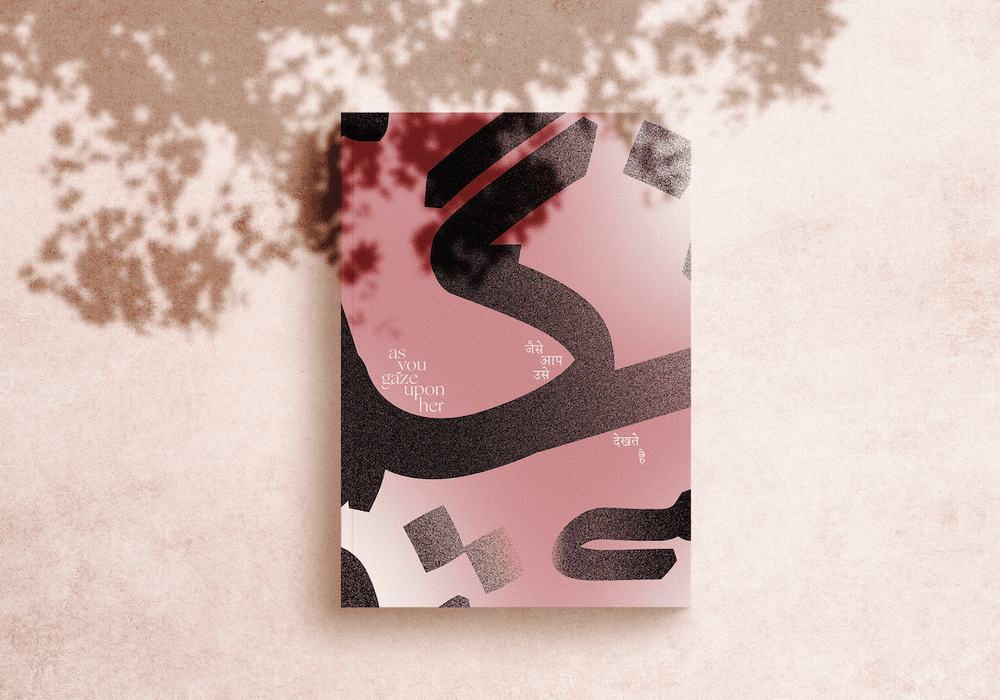
FINDING A SUBCONTINENTAL IDENTITY, ON ITS OWN TERMS
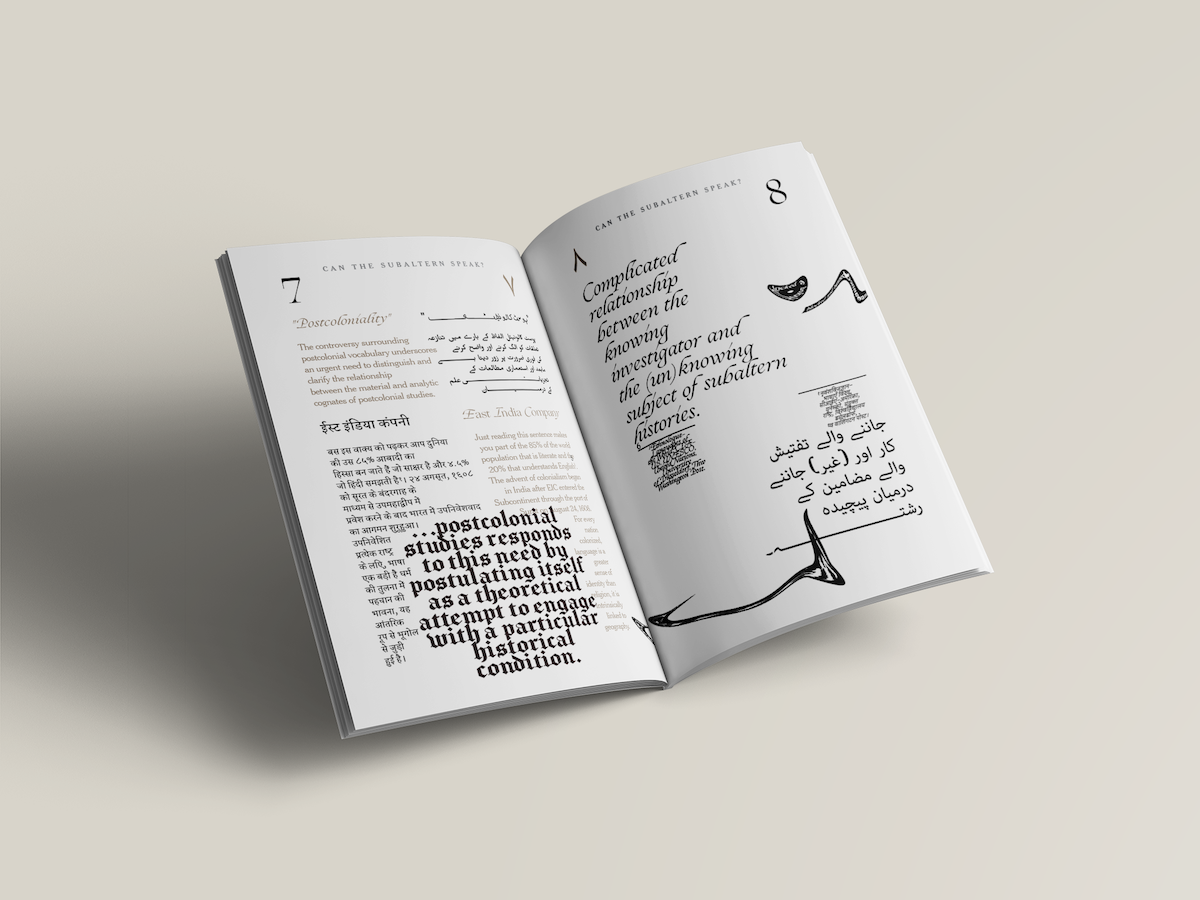
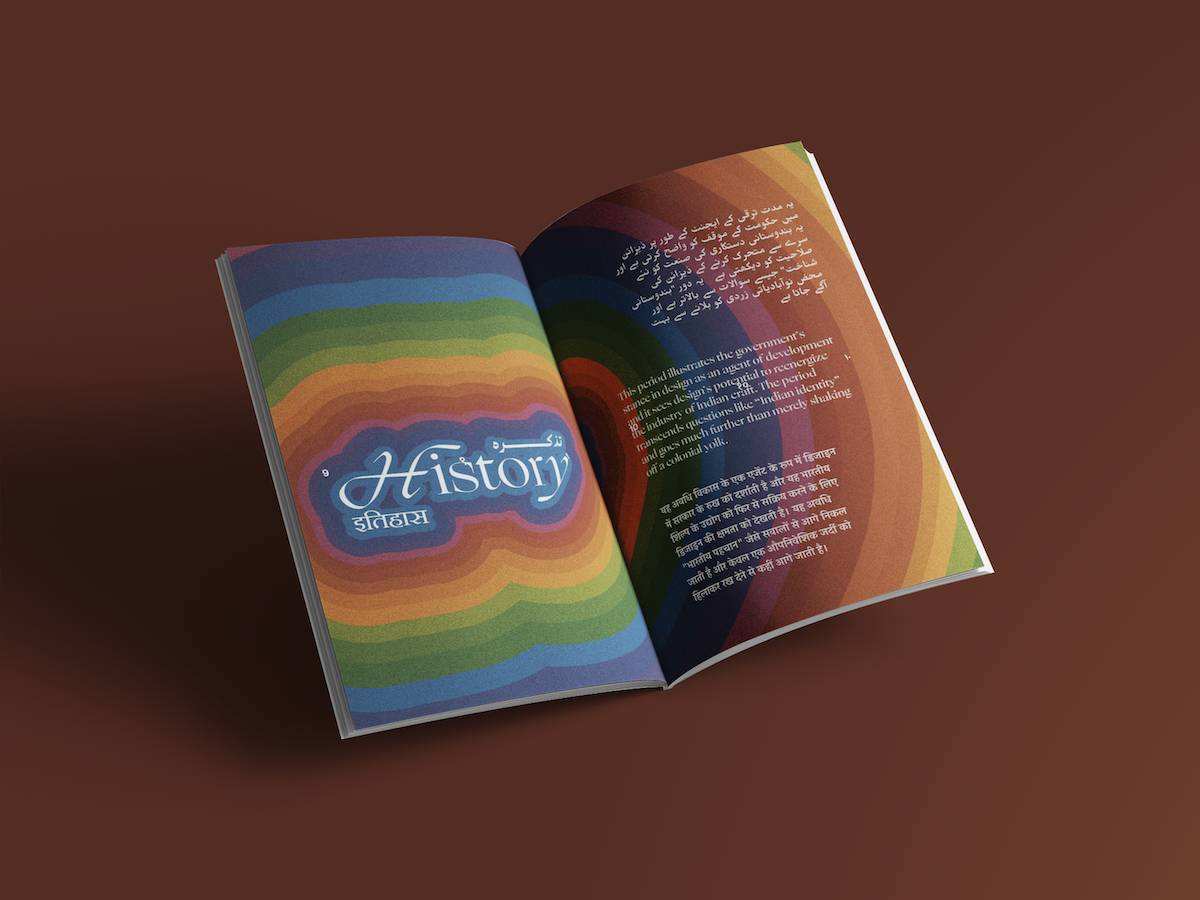
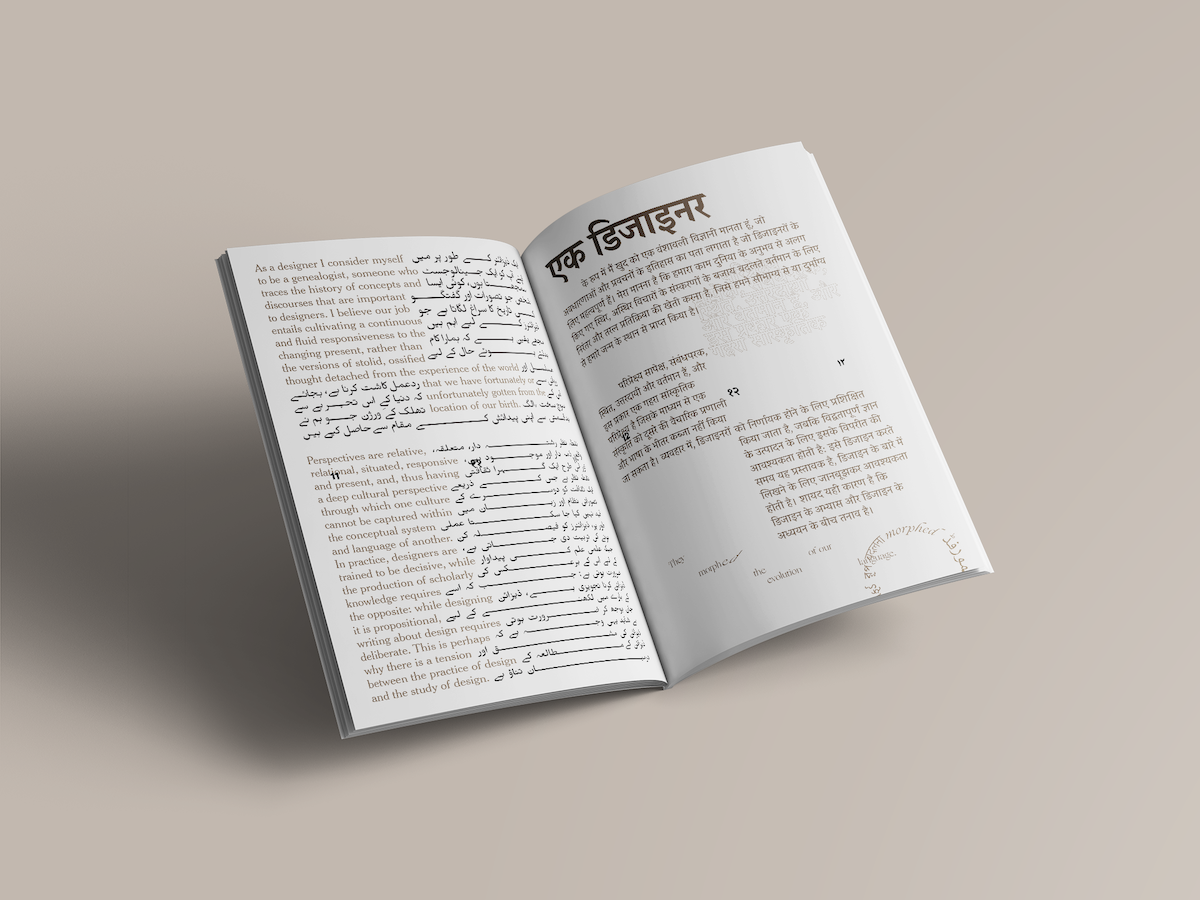
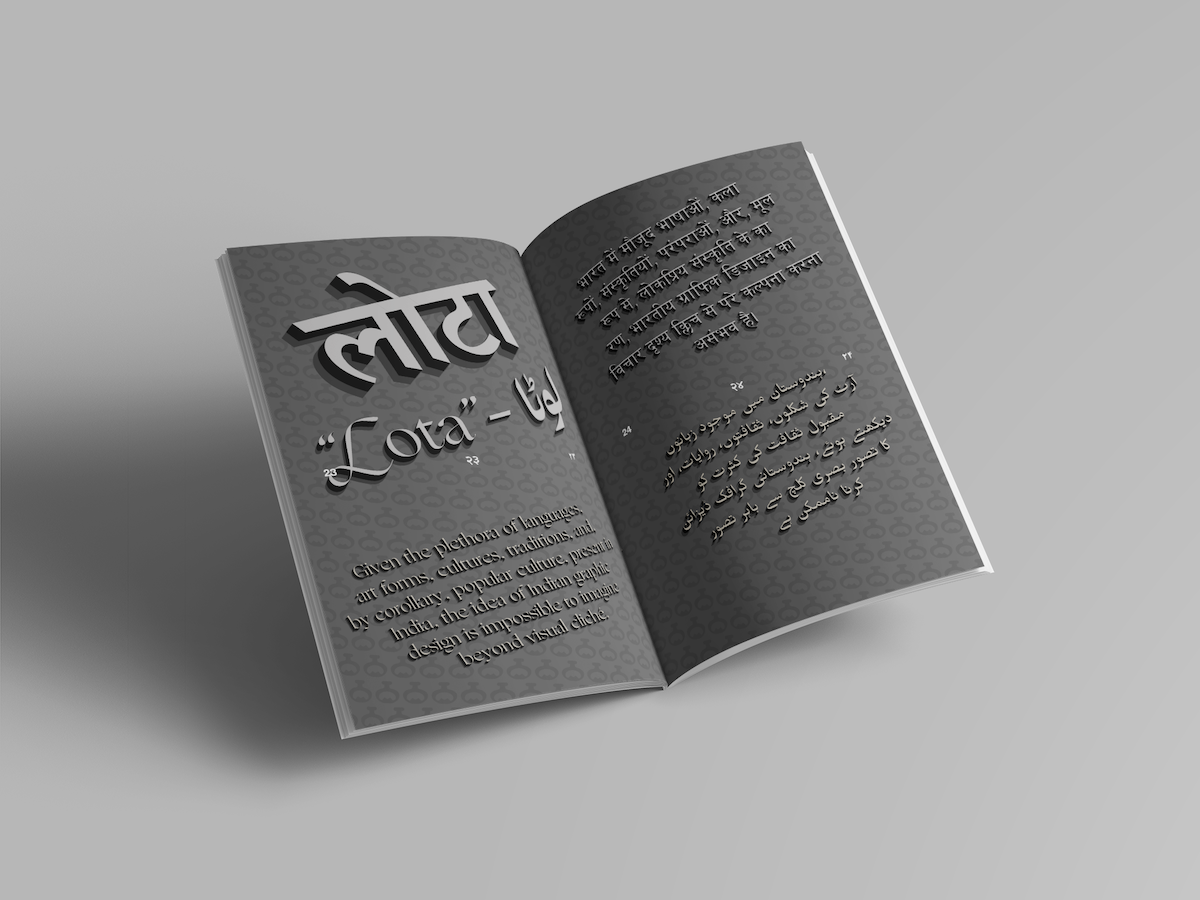
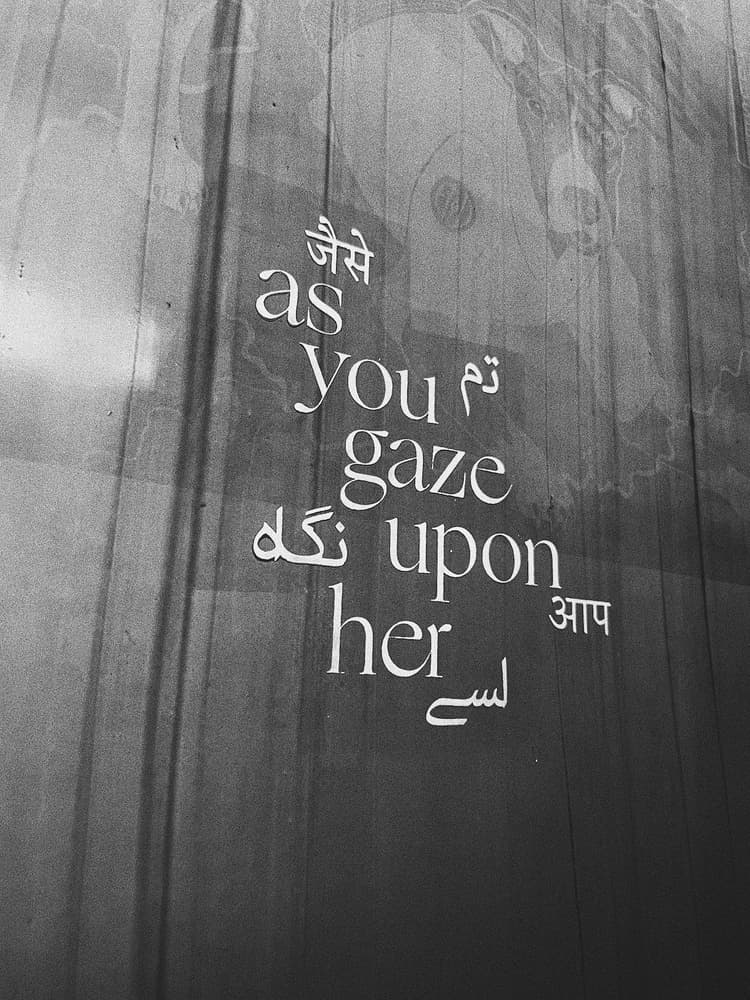
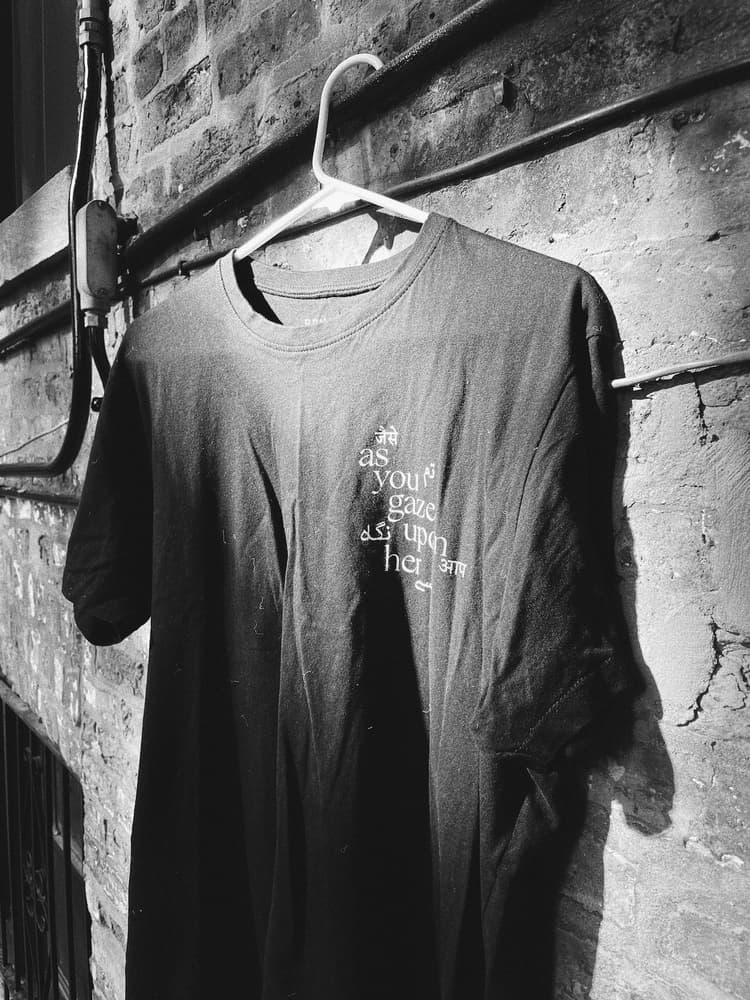
As You Gaze Upon Her sets out to find a design identity for the Subcontinent, one drawn from the rich history that emerged after colonisation, rather than measured against the West. It's a search for a visual vocabulary that works in its own cultural context, and a first attempt at a design history the Subcontinent has never properly been given.
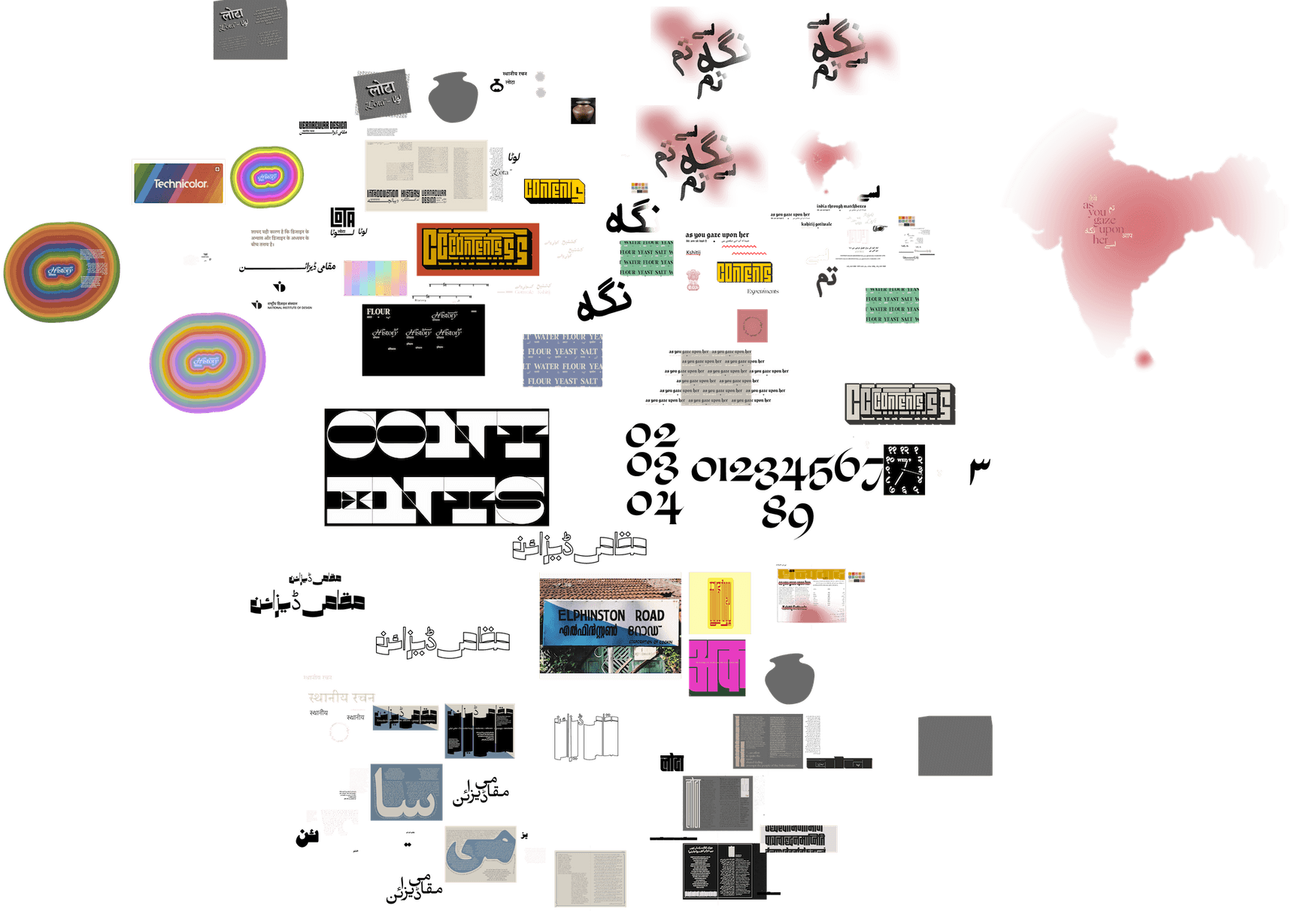
The word "post-colonial" isn't just a date. It's a way of knowing, thinking and seeing the world that steps outside the imperial frame.
This project takes that literally. It asks what design looks like when it isn't being judged by someone else's eye, when the Subcontinent gets to define what good design is, in its own terms and for its own context.
A different gaze, not a borrowed one.
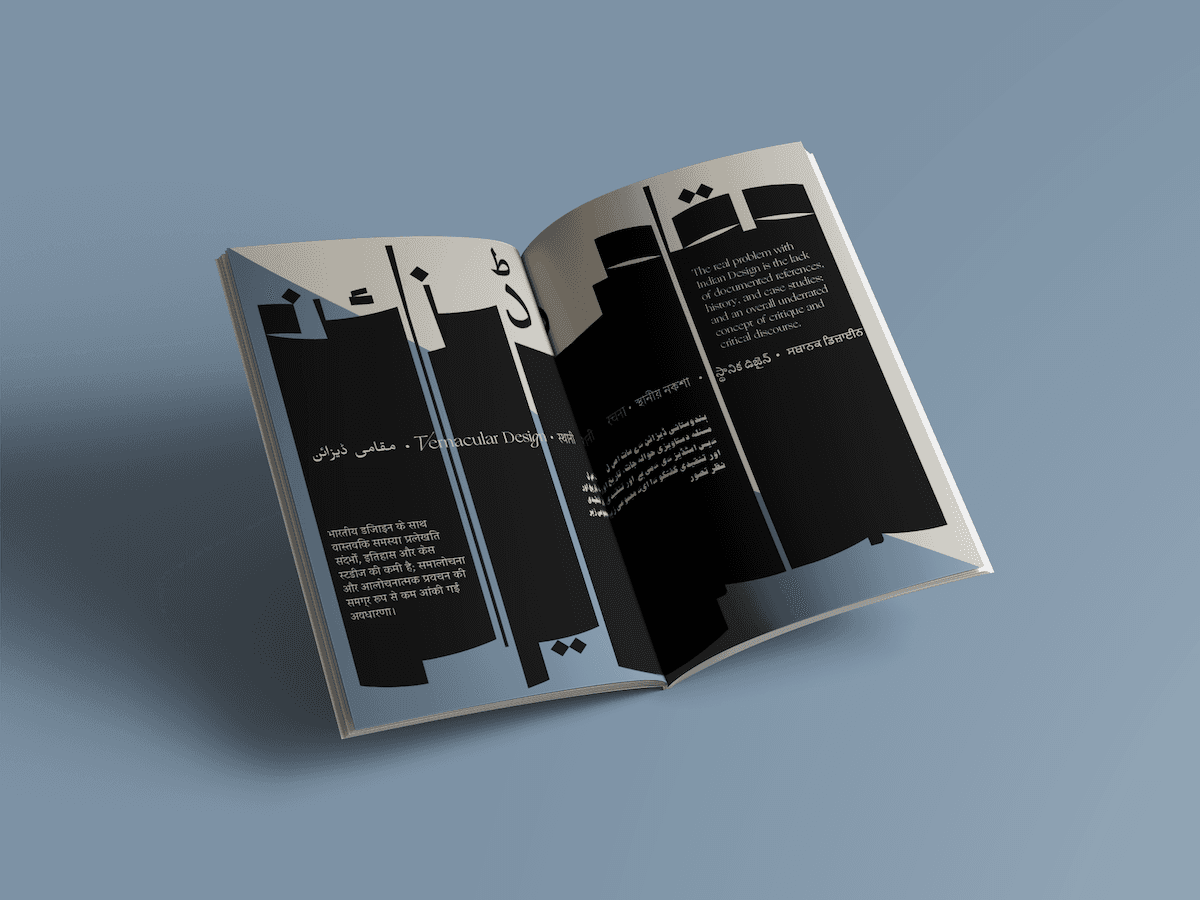
NOT NOSTALGIA. ANALYSIS.
Let's be clear about what this isn't.
"The project isn't to invoke some weird speculative nostalgia, it is to explore the culture long suppressed and dominated with a critical analysis."
This is excavation, not romance — looking hard at a visual culture that was suppressed and dominated, and taking it seriously enough to study rather than sentimentalise.
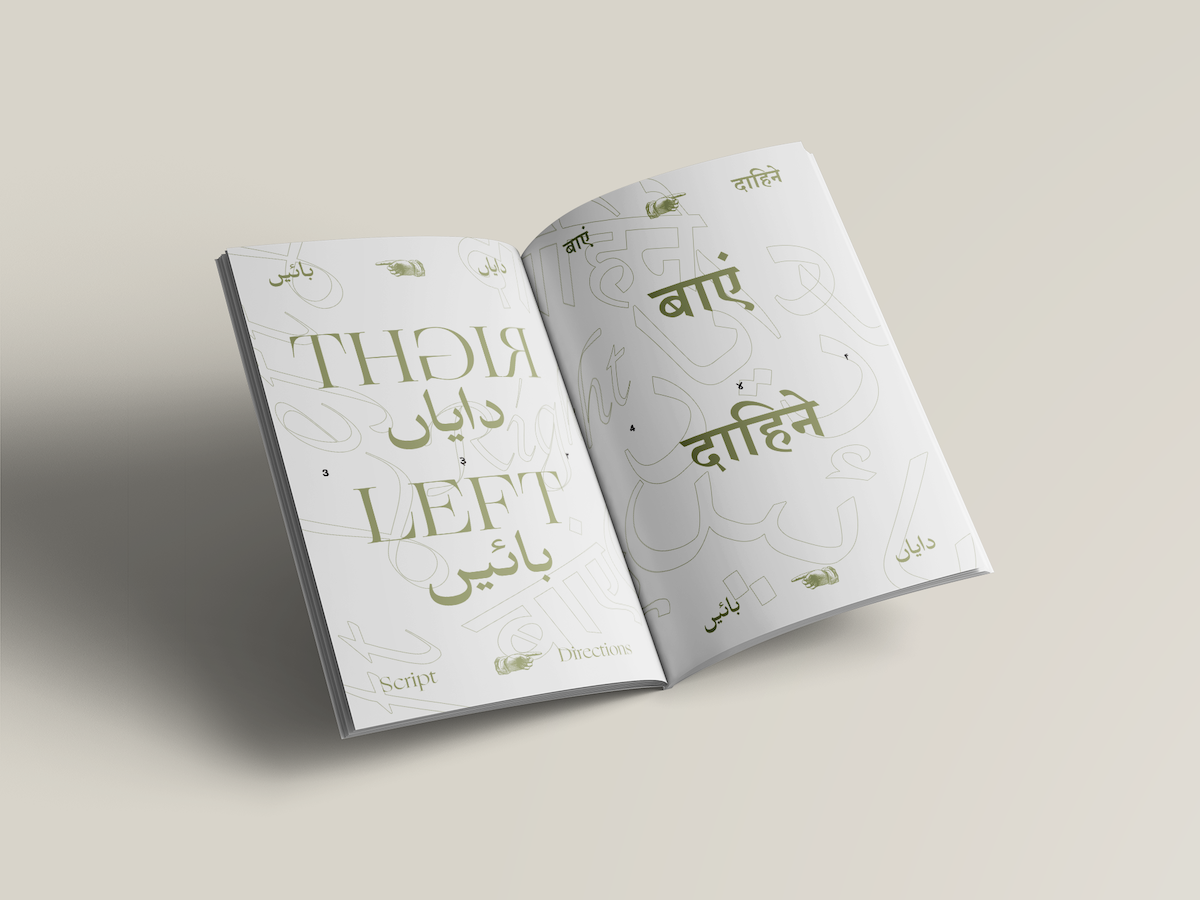
THE BEST OF IT NEVER CAME FROM A DESIGN SCHOOL
Here's the irony the research kept returning: some of India's finest graphic design came from people who were never trained as designers.
It lived in the pre-digital world of local magazines, made intuitively, day to day, by people solving real problems for real readers. Design doing its actual job: building a visual language that directly touches ordinary lives.
No academy. No theory. Just the everyday, doing it better.
THREE SCRIPTS, ONE GAZE
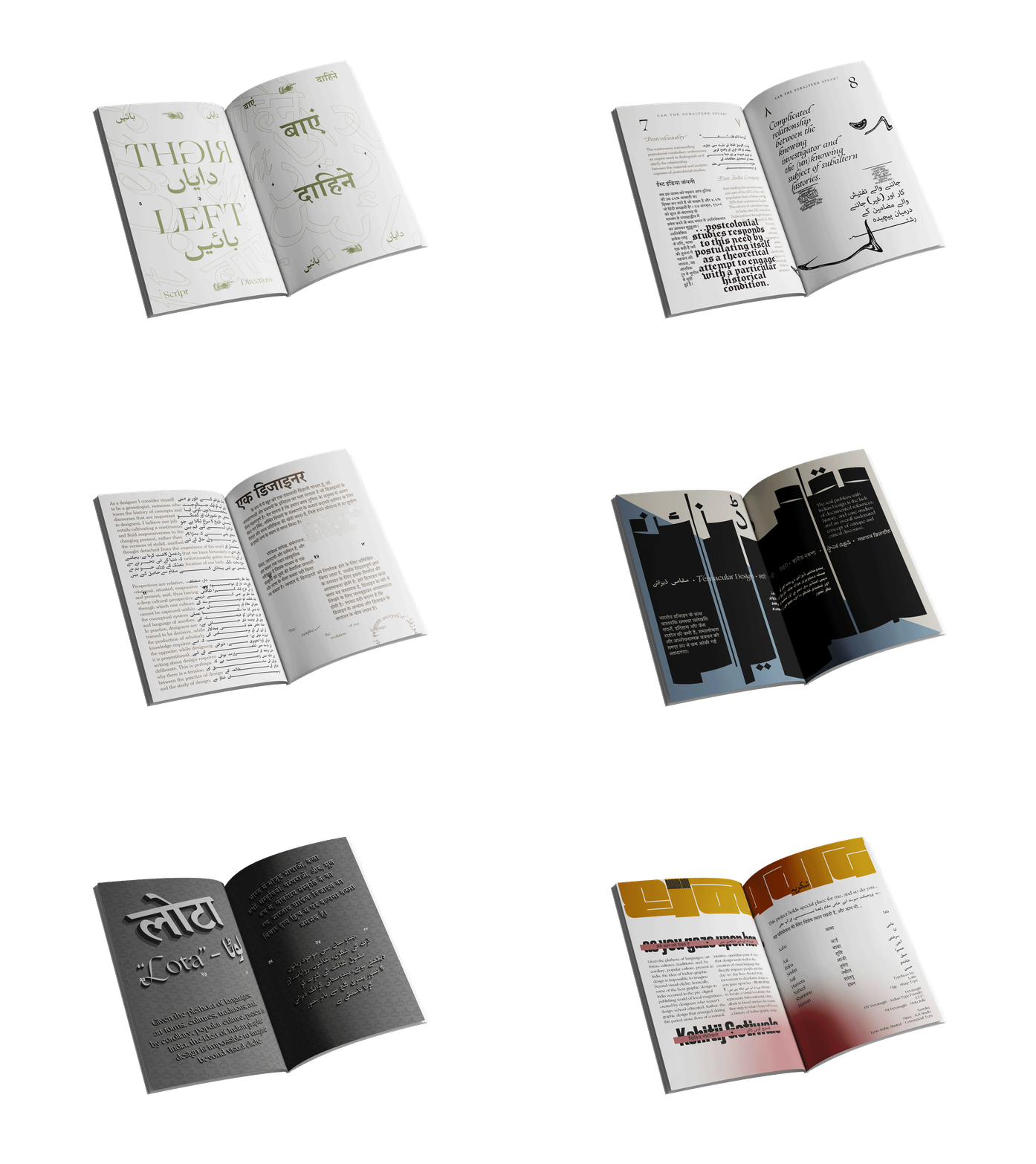
This was never meant to be the final word. It's broad strokes, a deliberate first move toward something much larger: a history of Subcontinental graphic design that takes its everyday, intuitive, uncredited makers as seriously as anyone in a textbook.
The requisite first page of a book that still needs writing.
How a culture is allowed to look, and who gets to decide what "good" looks like, is never neutral. This project is a small act of reclaiming that gaze: an argument that the Subcontinent's own visual language was always there, doing the work, waiting to be looked at properly.